
MOT Type 1: What It Is, How It Works, and Why It Matters for a Long-Lasting Sub-Base
Written by: A11 Aggregates – Groundworks & Material Specialists serving Cambridgeshire
A solid sub-base is the foundation of every long-lasting driveway, patio, footpath or car park. When a surface moves, sinks or cracks after a few winters, the root cause is almost always the same: the wrong sub-base material, or not enough of it.
That’s why MOT Type 1 is the industry standard. It compacts tightly, carries heavy loads and drains at a controlled rate, giving you a stable base that stays firm for years.
This guide explains exactly what MOT Type 1 is, why professionals rely on it, how much you need, and how to lay it correctly for the best results.
What Is MOT Type 1 Sub Base?
MOT Type 1 (sometimes written Type 1 MOT or simply “Type 1”) is a graded granular sub-base material used under driveways, patios, block paving, footpaths and highway construction. It consists of crushed aggregate with particle sizes ranging from fine dust up to 40mm stone.
The blend serves three purposes:
- Fine particles fill gaps and help bind the material.
- Larger stones add strength and load-bearing ability.
- The overall mix compacts into a dense, stable layer.
Once compacted, MOT Type 1 creates an extremely strong, level base capable of supporting vehicles, foot traffic and structural loads.
You’ll often hear it called:
- Scalpings
- Sub-base aggregate
- Crushed stone
- Granular sub-base (GSB)
- MOT Type 1 limestone or granite
- Recycled Type 1 (crushed concrete that meets spec)
Most people are referring to the same product: a well-graded, load-bearing sub-base.
What MOT Type 1 Is Made From
MOT Type 1 can be manufactured from:
- Limestone
- Granite
- Basalt
- Crushed concrete (recycled Type 1)
All approved variants follow the same grading structure, so they compact and perform consistently.
Recycled vs Primary Type 1
Both can be excellent when they meet the specification. Recycled Type 1 is more sustainable and cost-effective, while primary materials (like limestone or granite) offer very consistent grading and colour.
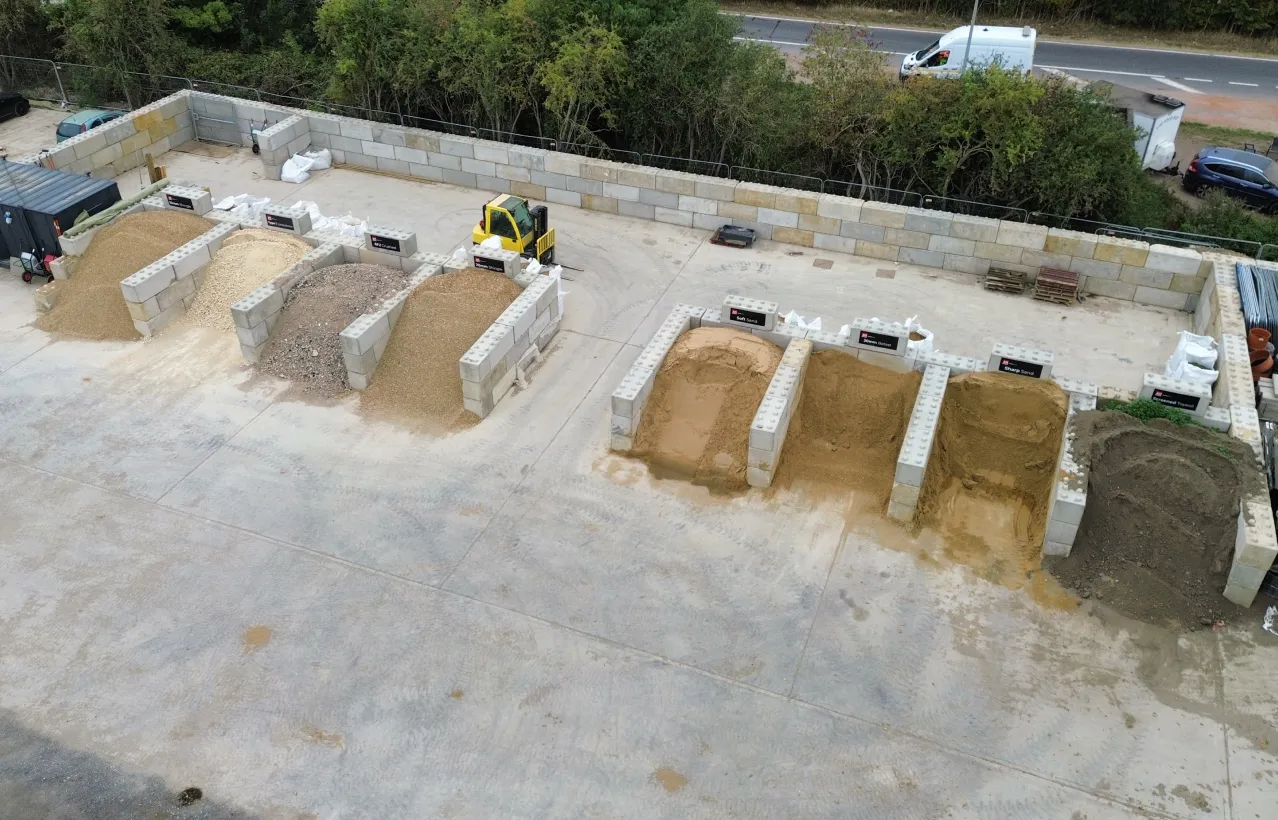
At A11 Aggregates, we supply Type 1 in both bulk bags and loose loads from high-quality, verified sources.
The Official MOT Type 1 Aggregate Specification
Type 1 must comply with the Department for Transport Specification for Highway Works (SHW Clause 803). This is sometimes mistakenly referred to as “Ministry of Transport”, but the modern standard comes from the DfT.
Key requirements include:
- Grading from 0–40mm
- Maximum fines for proper compaction
- Controlled permeability
- Load-bearing strength suitable for road and pavement construction
- High compaction density when vibrated
This ensures that when you order MOT Type 1, you receive a predictable and approved granular sub-base suitable for structural work.
References:
- Specification for Highway Works, Series 800 – Road Pavements – Unbound, Cement and Other Hydraulically Bound Mixtures
- BS EN 13285: Unbound Granular Materials
Why MOT Type 1 Is So Strong (Load-Bearing Ability)
The strength of MOT Type 1 comes from how its particles interlock under compaction. When you use a plate compactor or roller:
- Larger stones lock together.
- Fines fill the voids.
- The whole layer becomes dense and stable.
This creates:
- A firm base that doesn’t shift under load.
- Reduced risk of sinking or rutting.
- Controlled drainage to prevent frost heave.
- A stable foundation for paving, asphalt and gravel.
This combination of strength and drainage is why Type 1 is used beneath:
- Driveways
- Patios
- Block paving
- Paving slabs
- Roads and pathways
- Car parks
- Footpaths
- Landscaping bases
- Decorative gravel surfaces
If you need a base that stays level, MOT Type 1 is the correct material.
Coverage: How Much MOT Type 1 Do You Need?
A tonne of MOT Type 1 typically covers:
| Depth | Coverage per tonne |
|---|---|
| 50mm | Approx. 10–12 m² |
| 100mm | Approx. 5–6 m² |
Most domestic projects require:
- 100mm (10cm) for patios and pathways
- 150mm (15cm) for driveways
- Up to 200mm for heavier loads
Important: Compaction reduces loose depth by around 20%. A loose layer of 120mm will compact to roughly 100mm.
For a typical 4m x 5m driveway (20m²), you usually need 2–4 tonnes depending on depth.
You can calculate quantities instantly using our Aggregates Calculator.
Bulk Bags, Jumbo Bags and Loose Loads: What’s Best?
At A11 Aggregates, we supply:
- Bulk bags (approx. 850kg)
- Jumbo bags
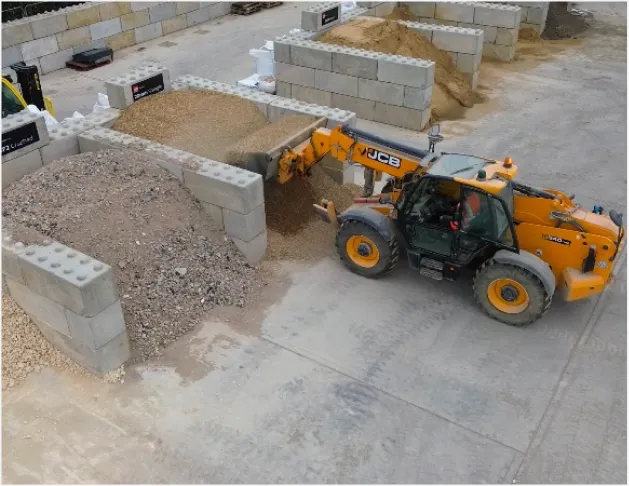
- Loose deliveries by tipper
- Grab-lorry offload
Choose bulk bags if:
- Access is tight.
- You want the material placed exactly where needed.
- You're doing patios, paths or small driveways.
Choose loose loads if:
- You need 3+ tonnes.
- You're working on a large driveway or construction site.
- You want the most cost-effective option.
All formats come from the same high-quality stock; the difference is simply the delivery method and convenience.
Delivery Options (20-Mile Radius Across Cambridgeshire)
We deliver MOT Type 1 throughout a 20-mile radius using:
- Tipper lorries for loose loads.
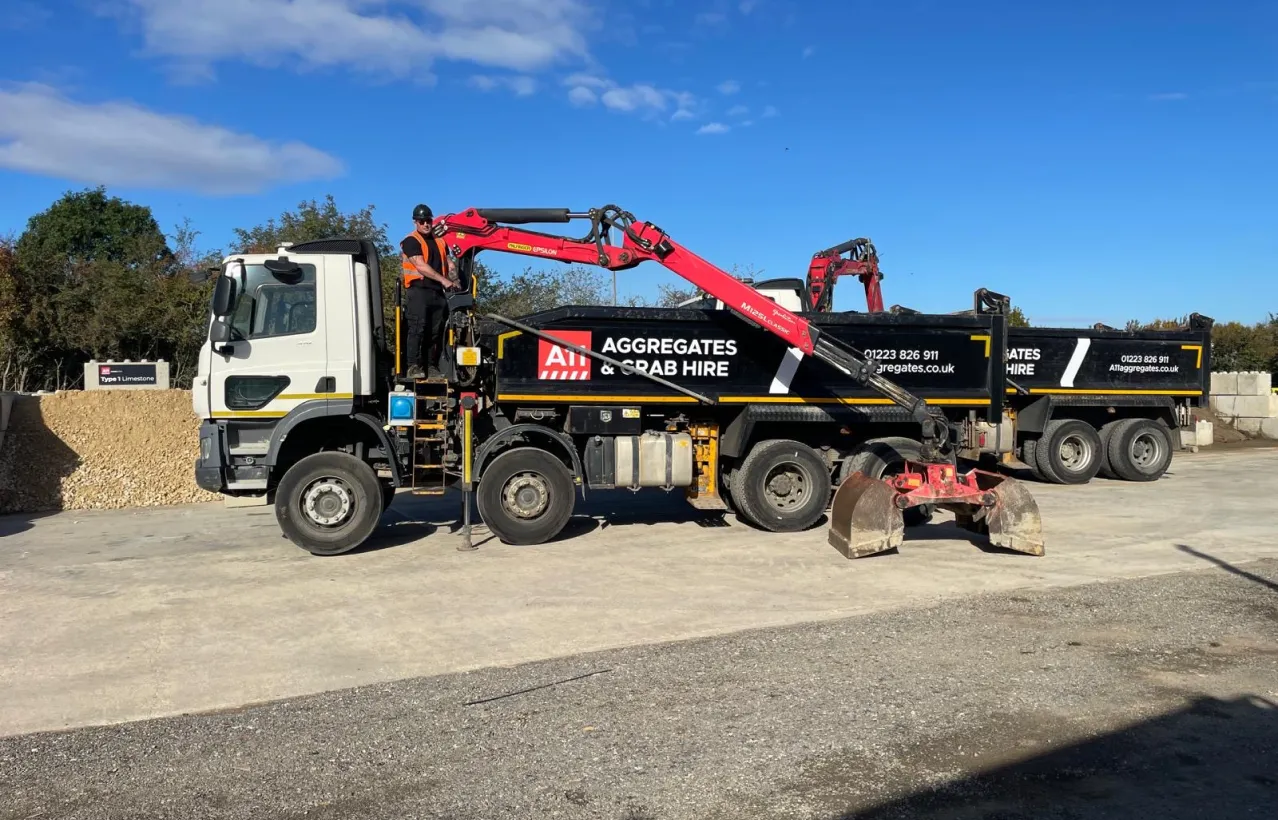
- Grab lorries for placing bulk bags or collecting waste.
- Multiple lorry sizes to suit tight access.
Our drivers are trained to place bags safely and accurately, saving you time and labour on site.
For collection, you can also use our weighbridge facility.
How to Lay and Compact MOT Type 1 Properly
A good sub-base is built in layers, not one big dump of material.
- Lay in thin layers (50–75mm loose)
This helps each layer compact fully. - Compact after each layer
Use a vibrating plate compactor or roller. - Keep the material level
A warped sub-base means a warped finished surface. - Don’t lay when excessively wet
Overly wet material won’t compact properly. - Check levels with a straight edge or string line
This prevents dips in your finished surface.
Good sub-base preparation is the number one factor in how long a driveway or patio lasts.
MOT Type 1 FAQs
Is MOT Type 1 permeable?
It's semi-permeable. Water can pass, but not as freely as gravel or shingle. This controlled drainage helps prevent frost damage.
Is crushed concrete Type 1 good quality?
Yes, if it meets the MOT specification. Many contractors choose it for sustainability and cost savings.
Can I use Type 1 under decorative gravel?
Absolutely. It forms a stable layer, so the gravel doesn’t shift.
What depth should I use?
- 100mm for patios and footpaths.
- 150mm for driveways.
- More for commercial or heavy loads.
Is MOT Type 1 suitable for all weather?
Yes, it performs well year-round, though very wet material is harder to compact.
Safety & Compliance Notes
Always follow local building regulations and British Standards for sub-base construction. Depth requirements, drainage rules and load-bearing needs may vary depending on the project.
If you’re unsure, our team can provide guidance based on your project size and intended use. Visit our contact page for more information.
Conclusion
MOT Type 1 is the go-to sub-base material for any project where stability, strength and long-term durability matter. Whether you’re laying a patio, building a new driveway or preparing ground for landscaping, it provides the solid foundation required for a professional finish.
A well-laid sub-base can last decades and it all starts with choosing the right material, in the right amount, and compacting it correctly.